Beyond the Best Before: What the Science of Medication Expiration Actually Tells Canadian Patients
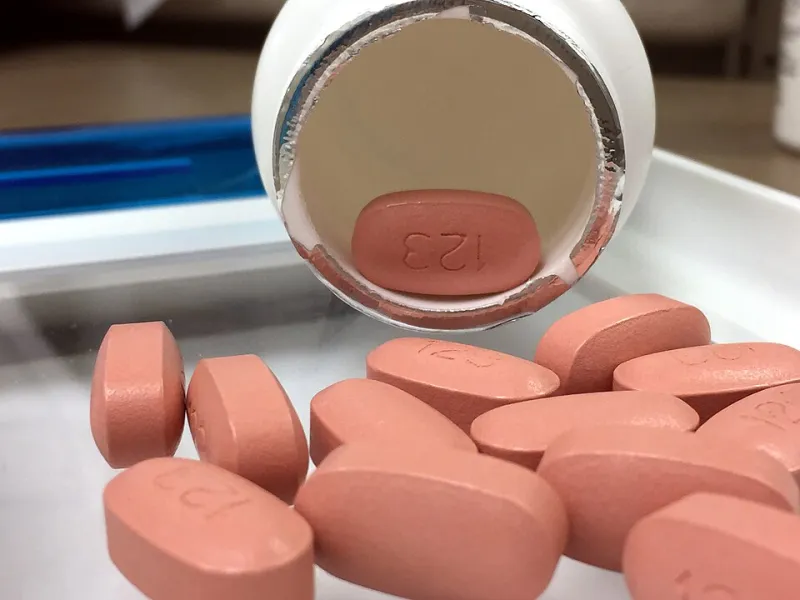
Photo: NIAID, CC BY 2.0, via Wikimedia Commons
Most Canadians treat the expiration date on a medication bottle the way they treat the best-before date on a carton of milk — as a hard boundary between safe and unsafe. Toss it if it's past the date. Buy a new one. Don't take chances. This instinct, while understandable, is not always supported by the underlying pharmacological evidence. The truth about medication expiration is considerably more layered, and for patients managing multiple prescriptions on a fixed income, understanding that complexity can have meaningful financial and practical consequences.
This is not an argument for taking expired medications carelessly. There are genuine situations in which an expired drug poses real risks. But there are also situations where the date on the label reflects regulatory conservatism rather than a clinical cliff. Distinguishing between the two requires a closer look at how expiration dates are determined, what actually happens to medications over time, and what Health Canada's framework is designed to accomplish.
How Expiration Dates Are Established — and What They Actually Guarantee
When a pharmaceutical manufacturer submits a drug for approval in Canada, it must include stability data demonstrating that the medication retains a specified level of potency and purity under defined storage conditions for a stated period. Health Canada requires that a drug maintain at least 90 percent of its labelled potency through its expiration date. That date, in other words, is a manufacturer's guarantee — not a prediction of sudden failure.
The critical nuance is that stability testing is conducted on the manufacturer's timeline, which is often compressed. A drug may be approved with a two-year expiry not because it degrades meaningfully at that point, but because two years is how long the manufacturer's testing covered before seeking market approval. Longer shelf life data may simply not have been submitted.
This distinction was underscored in a well-known United States military study conducted over several decades, in which stockpiled medications — including many common drug classes — were found to retain potency well beyond their labelled expiry dates. While that research context differs from civilian pharmacy use, the underlying pharmacological findings have informed ongoing scientific discussion about whether standard expiry conventions are calibrated primarily for safety or for commercial and regulatory predictability.
What Actually Happens When Medications Age
Not all medications degrade in the same way or at the same rate. The behaviour of a drug over time depends on its chemical composition, its formulation, and the conditions under which it has been stored. Several broad categories warrant particular attention:
Medications with known degradation risks. Certain drugs become genuinely unsafe as they age. Tetracycline antibiotics, for example, have been associated with a degradation product that can cause kidney damage — a well-documented concern that makes expired tetracyclines legitimately hazardous. Liquid formulations, particularly suspensions and solutions, are generally less stable than solid oral forms and should be treated with greater caution once past their expiry.
Medications where potency loss is the primary concern. For many drugs — including some antihistamines, analgesics, and certain vitamins — the primary consequence of expiration is a gradual reduction in potency rather than the emergence of harmful compounds. A tablet that is 85 percent as potent as labelled is not dangerous; it may simply be somewhat less effective. For patients managing non-critical symptoms, this is a meaningfully different risk profile than true chemical degradation.
High-stakes medications that demand strict adherence. Insulin, nitroglycerin, liquid antibiotics, and epinephrine autoinjectors are among the medications for which expiration dates carry serious clinical weight. Insulin potency can decline measurably after opening, and an epinephrine device that fails to deliver a full dose during an anaphylactic reaction is a life-threatening failure. For medications in this category, there is no room for ambiguity.
Storage Conditions: The Variable Most Patients Underestimate
An expiration date is only valid if the medication has been stored as directed. This is a point that Canadian pharmacists consistently emphasize and that patients frequently overlook. A bottle of medication stored in a humid bathroom cabinet or left in a hot car during a July heat wave in Ontario may have already degraded well before its printed expiry. Conversely, medications stored under ideal conditions — cool, dry, and away from direct light — may retain their integrity longer than the label suggests.
For patients managing chronic conditions and filling multiple prescriptions regularly, reviewing storage habits is often a more impactful intervention than obsessing over expiry dates. Keep medications in a cool, dry location — a bedroom drawer or dedicated storage box is preferable to the medicine cabinet in most bathrooms. Refrigerated medications must be kept within the specified temperature range throughout their use.
The Cost-of-Living Dimension for Canadian Patients
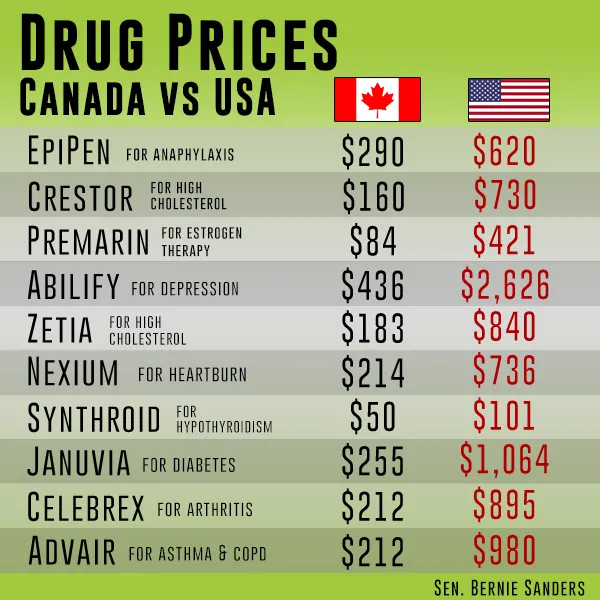
For Canadians managing chronic conditions — diabetes, hypertension, thyroid disorders, mental health diagnoses — the cumulative cost of prescription medications represents a significant household expense. When provincial drug plans cover only a portion of costs, or when patients fall into coverage gaps between provincial and private insurance, the pressure to stretch medications becomes real.
This is precisely the context in which misinformation about expiration dates can lead to harm — either through unnecessary waste when patients discard medications that remain clinically viable, or through genuine risk-taking when patients continue using medications that have meaningfully degraded. The answer is not a blanket rule but an informed, medication-specific conversation with a pharmacist.
If cost pressures are affecting your ability to manage your prescriptions, a licensed Canadian online pharmacy can often provide access to lower-cost generics, bulk dispensing options, and professional guidance on managing your medication supply efficiently. These conversations are part of what a pharmacist is trained to support.
Disposal of Expired Medications: The Right Approach
When medications have genuinely passed their clinically useful life, disposal matters. Flushing medications down the toilet or discarding them in household waste contributes to environmental contamination — a concern that Health Canada and provincial health authorities take seriously. Most Canadian pharmacies participate in take-back programmes that allow patients to return unused or expired medications for safe disposal. Using these programmes is both an environmental responsibility and a straightforward act of community stewardship.
A Framework for Thinking About Your Own Medications
The most practical guidance for Canadian patients is this: do not make unilateral decisions about expired medications without professional input. If you are uncertain about a specific drug, call your pharmacist. Ask whether the medication in question is one where expiry is clinically significant or primarily a regulatory convention. Ask about proper storage. Ask about take-back options.
A pharmacist's role extends well beyond dispensing. It includes exactly this kind of patient education — helping you understand not just what to take, but how to store it, when to replace it, and why the date on the label means what it means. Expiration dates are a tool designed to protect you. Understanding how that tool works makes you a more informed steward of your own health.