Who Really Owns Your Health Data? Understanding Privacy Protections When You Order Medications Online in Canada

Photo: Internet Archive Book Images, No restrictions, via Wikimedia Commons
When a Canadian fills a prescription through an online pharmacy, they typically focus on convenience, cost, and delivery timelines. What rarely enters the conversation—but absolutely should—is the question of what happens to the sensitive personal information exchanged during that transaction. Prescription histories, medical diagnoses, payment records, and even browsing behaviour on a pharmacy website can constitute protected health data. Whether that data is actually being protected depends heavily on which laws apply, and whether the pharmacy in question is following them.
The Federal Framework: What PIPEDA Actually Covers
At the federal level, the Personal Information Protection and Electronic Documents Act (PIPEDA) governs how private-sector organisations—including online pharmacies—collect, use, and disclose personal information in the course of commercial activity. Under PIPEDA, pharmacies are required to obtain meaningful consent before collecting personal data, to use that data only for the purposes for which it was gathered, and to safeguard it against unauthorised access or disclosure.
For patients ordering medications online, this means a legitimate Canadian pharmacy must explain, in clear language, what information it collects and why. It cannot, for example, sell your prescription history to a third-party marketing firm without your explicit consent. It must also allow you to access your own records and request corrections.
However, PIPEDA is not without its limitations. It applies to federally regulated activities and to provinces that have not enacted substantially similar legislation of their own. Enforcement has historically been criticised as reactive rather than preventive, and penalties—while recently strengthened under Bill C-11 proposals—have not always served as a meaningful deterrent for non-compliant operators.
Provincial Laws Add Another Layer—But Create Inconsistency
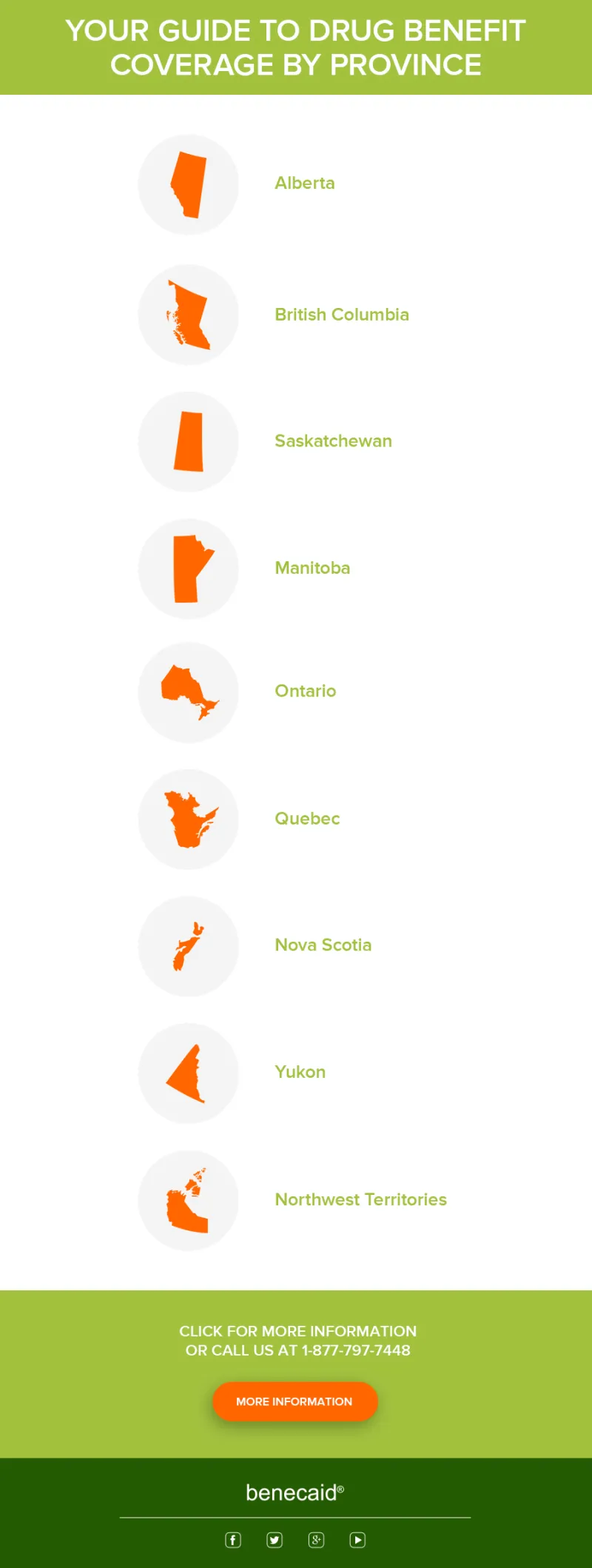
Several provinces have enacted their own privacy legislation that, in some cases, offers stronger protections than PIPEDA. Quebec's Law 25 (formerly Bill 64), which came into full effect in September 2023, is among the most comprehensive in the country. It mandates privacy impact assessments, requires the appointment of a privacy officer, and introduces significant financial penalties for breaches. Ontario's Personal Health Information Protection Act (PHIPA) and Alberta's Health Information Act (HIA) similarly impose strict obligations on health information custodians.
The complication arises because not all online pharmacies operate uniformly across provincial lines. A pharmacy licensed in one province and serving customers in another may be subject to different—and potentially less rigorous—standards depending on where the transaction is deemed to have occurred. Patients in British Columbia, for instance, benefit from the Personal Information Protection Act (PIPA BC), while those in less regulated jurisdictions may have fewer recourse options if their data is mishandled.
What Legitimate Online Pharmacies Are Obligated to Do
A properly licensed Canadian online pharmacy operating in good faith will demonstrate several concrete privacy practices. These include maintaining a clearly written and accessible privacy policy, using encrypted connections (look for HTTPS in the browser address bar) for all transactions, storing prescription records securely with limited internal access, and never sharing patient data with third parties for commercial purposes without consent.
Pharmacies accredited by the Canadian International Pharmacy Association (CIPA) or verified through provincial regulatory colleges are held to professional standards that encompass both clinical and data-handling obligations. These accreditations are not merely symbolic—they represent a commitment to operating within a regulated framework that includes privacy compliance.
Red Flags That Should Give You Pause
Not every website that sells medications is a legitimate pharmacy, and the privacy risks posed by unregulated operators are substantial. The following warning signs merit serious caution:
- No physical Canadian address or licence number listed. Legitimate pharmacies are required to display their provincial licence information prominently.
- Vague or absent privacy policies. If a website cannot clearly explain how it handles your data, assume the worst.
- Requests for unnecessary personal information. A pharmacy that asks for your social insurance number, for example, has no legitimate clinical reason to do so.
- No secure payment processing. Unencrypted payment pages put your financial data at immediate risk.
- Unsolicited contact after an order. Repeated marketing emails or phone calls you did not consent to may indicate your data is being used beyond its stated purpose.
Rogue online pharmacies—many of which falsely present themselves as Canadian—have been documented selling patient data to third parties and operating without any meaningful oversight. The World Health Organization estimates that a significant proportion of medications sold through unverified online channels are counterfeit or substandard; the data risks compound the clinical ones.
Practical Steps to Protect Your Medical Privacy
Being an informed patient means taking an active role in safeguarding your own information. The following measures are straightforward and effective:
Verify the pharmacy's licence before submitting any information. Provincial regulatory college websites allow consumers to confirm whether an online pharmacy is properly registered. In Ontario, for example, the Ontario College of Pharmacists maintains a public register.
Read the privacy policy with intent. Look specifically for sections describing data retention periods, third-party sharing arrangements, and your rights to access or delete your records.
Use a dedicated email address for health-related accounts. This limits cross-platform data exposure and makes it easier to identify if your information has been shared without consent.
Request a copy of your records periodically. Under PIPEDA and provincial equivalents, you have the right to know what information a pharmacy holds about you. Exercising this right also signals to the operator that you are an engaged, informed patient.
Report suspected violations. The Office of the Privacy Commissioner of Canada accepts complaints and can investigate non-compliant organisations. Provincial privacy commissioners hold similar authority within their jurisdictions.
The Bigger Picture for Canadian Patients
Privacy in healthcare is not merely a legal technicality—it is a condition of trust. Patients who fear their sensitive health information may be exposed are less likely to seek care or fill necessary prescriptions, a chilling effect with real public health consequences. Canada's regulatory framework, while imperfect, provides meaningful protections when patients know how to invoke them and when pharmacies are held accountable for compliance.
At Canadian Pharmacy Online HQ, privacy is treated as a clinical obligation, not a checkbox. Every interaction—from your initial prescription upload to your delivery confirmation—is governed by the same standards of confidentiality that apply in any regulated Canadian pharmacy setting. Understanding your rights is the first step toward exercising them.